6 Steps For Predictable and Pain-Free Cycles
Six steps toward predictable, pain-free cycles: balancing hormones naturally, reducing cramps, and easing symptoms of estrogen dominance.
By Kylie Serie · Oct 27, 2024 · 3 min read
I know that having predictable, regular, and pain-free cycles can feel like a dream. Maybe you’ve been dealing with periods that seem to pop up whenever they want, or the cramping and bloating make you dread that time of the month.
If that sounds familiar, you’re not alone. I’ve worked with so many clients who feel frustrated because their cycles are anything but consistent. But the good news? It doesn’t have to stay that way.
I want to walk you through how you can get your cycles back on track, ease discomfort, and bring predictability into your month.
Why Your Cycle Might Be Out of Sync
If your periods are irregular or painful, it’s a sign that something in your body is out of balance. More often than not, this comes down to hormonal imbalances, specifically estrogen and progesterone.
- High estrogen can lead to painful cramps, heavy bleeding, bloating, and mood swings
- Low progesterone can cause irregular cycles, PMS, and prolonged symptoms
The good news is that hormones can be supported through food, lifestyle changes, and self-care.
Step 1: Balance Your Plate to Balance Your Hormones
One of the biggest game-changers for cycle health is properly nourishing your body.
Aim for:
- 20–30g protein per meal
- 10–15g protein per snack
This helps stabilize blood sugar, which is foundational for hormone balance.
Helpful foods include:
-
For estrogen balance:
Cruciferous vegetables (broccoli, Brussels sprouts, cauliflower) support estrogen metabolism. Fiber-rich foods help bind and eliminate excess estrogen. -
For progesterone support:
Adequate protein and healthy fats are key. Full-fat dairy, avocado, olive oil, and collagen are great options. Collagen is an easy protein boost in coffee, soups, smoothies, or yogurt.
Step 2: Ease Stress to Support Regularity
Stress is a major driver of irregular and painful cycles. Elevated cortisol can interfere with ovulation and progesterone production.
If your body is constantly in fight-or-flight, it will deprioritize reproduction, even if your nutrition is on point.
Slow down when you can. Create moments of joy. Breathe deeply. Nervous system regulation is hormone support.
Step 3: Support Gut Health for Hormone Balance
Your gut plays a critical role in hormone regulation, especially estrogen metabolism.
Gut-supportive basics:
- Fiber: Aim for ~25g per day from beans, leafy greens, sweet potatoes, and berries
- Probiotics: Fermented foods like sauerkraut, kefir, or a high-quality probiotic supplement
If fermented foods don’t sit well, this may point to a deeper gut imbalance worth exploring.
A healthy gut can significantly reduce cramping, bloating, and cycle discomfort.
Step 4: Track Your Cycle
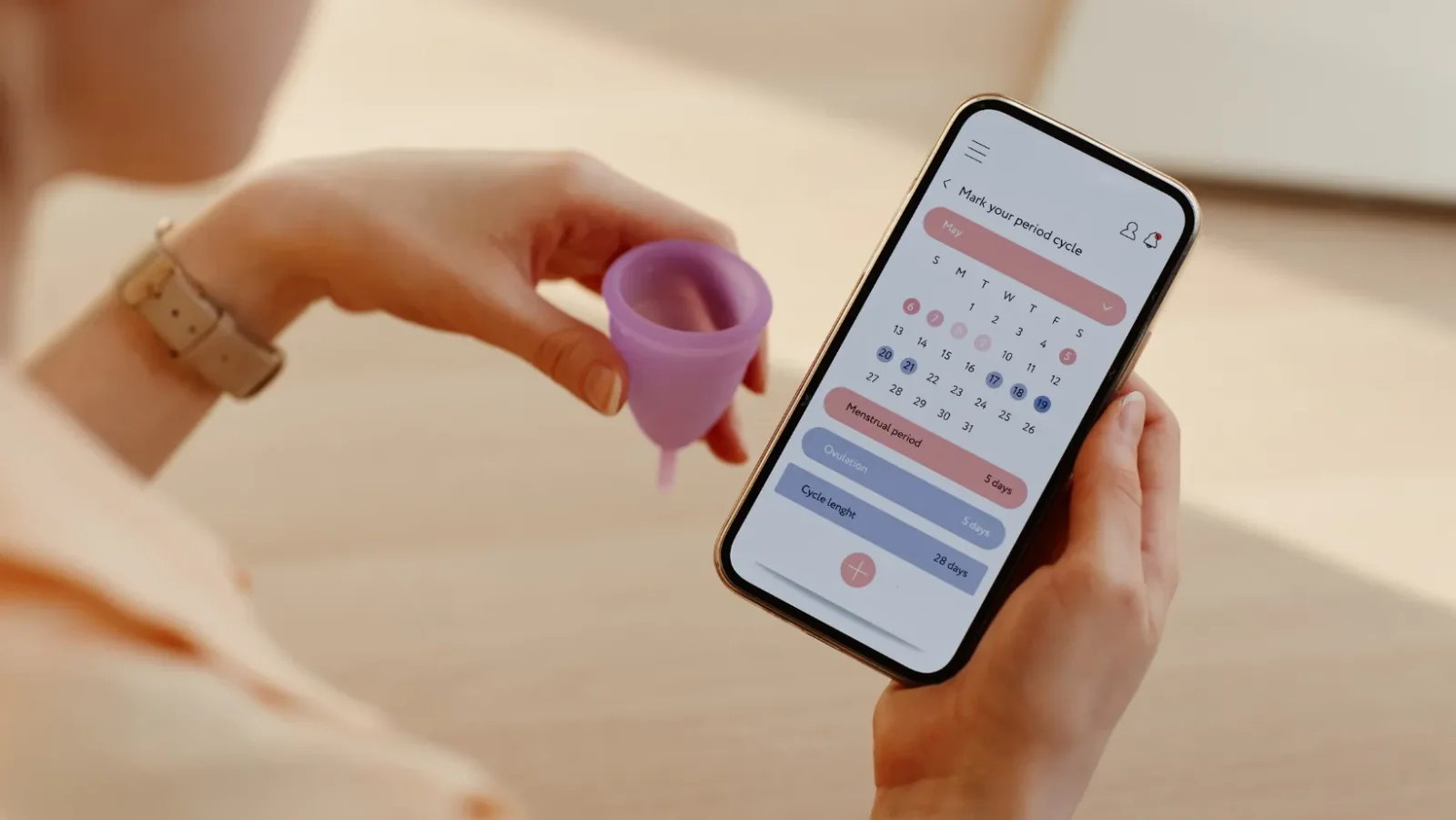
Cycle tracking gives you valuable insight into hormone patterns and symptom timing.
Pay attention to:
- Total cycle length
- Signs of ovulation
- When PMS symptoms begin
- Energy levels throughout the month
Tracking helps you anticipate needs, adjust your schedule, and see the progress you’re making toward pain-free, predictable cycles.
Step 5: Don’t Forget Your Minerals
Minerals are foundational for hormone health and cycle regularity. Imbalances can contribute to cramps, irregular cycles, and PMS.
An HTMA (Hair Tissue Mineral Analysis) can provide insight into mineral status and guide targeted support. This is valuable at every stage, whether TTC, pregnant, postpartum, or simply working toward balance.
Step 6: Love Your Liver
Your liver is responsible for:
- Estrogen and insulin metabolism
- Cortisol regulation
- Thyroid hormone conversion
- Progesterone metabolism
Supporting liver health is essential for pain-free cycles.
Simple liver-supportive practices:
- Drink mineral-rich water
- Eat bitter foods (dandelion greens, arugula)
- Prioritize adequate protein at each meal and snack
The Takeaway
Predictable, pain-free cycles aren’t about restriction or complicated rules. They’re about nourishment, stress management, and understanding what your body needs to thrive.
If you’d like personalized support to get your cycle back on track, I’m here to help. Let’s figure out what your body needs and bring your hormones back into balance.
Apply for 1:1 support here.