6 Ways To Boost Low Progesterone
Struggling with low progesterone? Six natural ways to raise your levels using food, lifestyle changes, and cycle support.
By Kylie Serie · Jan 8, 2025 · 3 min read
When it comes to hormones, we often hear about estrogen, but progesterone is really the MVP, playing a key role in regulating your cycle, fertility, mood, and overall health.
Progesterone is the dominant hormone in the second half of your cycle (the luteal phase). Without ovulating, you don’t produce it. It’s also possible to ovulate but not produce enough, which can lead to PMS, spotting, and symptomatic periods.
What Is Progesterone and Why Is It Important?
Progesterone is produced primarily by the corpus luteum after ovulation. It regulates the menstrual cycle, prepares the body for pregnancy, and supports early pregnancy if conception occurs. It also balances the effects of estrogen, especially in the second half of your cycle.
Progesterone has a calming effect on the nervous system, acting as a natural anti-anxiety and mood stabilizer. It supports proper thyroid and cortisol function, making it essential for stress management, metabolism, and even sleep.
How Does Progesterone Make You Feel?
When progesterone levels are optimal, you may feel calm, clear-headed, and emotionally balanced. Progesterone promotes GABA production, a neurotransmitter that supports relaxation and sleep, and counteracts the more stimulating effects of estrogen after ovulation.
Benefits of Ovulating and Having Progesterone
Ovulation is the only way your body naturally produces progesterone, so even if pregnancy isn’t your goal, supporting ovulation is important.
Benefits include:
-
Cycle Regularity
Progesterone balances estrogen and helps prevent estrogen dominance, which can cause heavy periods and breast tenderness. -
Mood Stability
Supports relaxation, reduces anxiety, and promotes better sleep. -
Bone Health
Works alongside estrogen to maintain bone density. -
Fertility
Progesterone thickens and maintains the uterine lining, making pregnancy possible and supporting early implantation. -
Skin Health
Can help reduce hormonally driven breakouts.
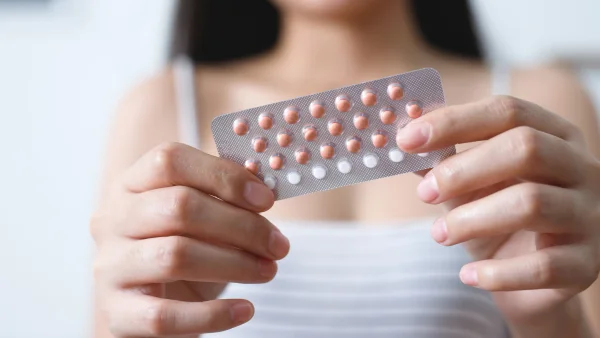
Note: Hormonal birth control shuts down ovulation, meaning you are not producing progesterone.
Signs Your Progesterone May Be Low
Many women experience low progesterone without realizing it, especially if ovulation is inconsistent.
Common signs include:
- Irregular or missed periods
- Short luteal phase (less than 10 days)
- Heavy or painful periods
- PMS or mood swings (irritability, anxiety)
- Spotting before your period
If you relate to these symptoms, you’re not alone. Below are ways to support progesterone naturally.
How to Boost Progesterone Naturally
1. Support Ovulation
Since ovulation is required to produce progesterone, focus on supporting a healthy ovulatory cycle. This includes stress management, a nutrient-dense diet, maintaining a healthy weight, and movement that is supportive, not excessive.
2. Eat a Progesterone-Supportive Diet
Focus on nutrients that support progesterone production:
- Zinc: Pumpkin seeds, chickpeas, cashews, oysters
- Vitamin B6: Bananas, poultry, spinach
- Magnesium: Leafy greens, nuts, seeds (supplementation can be very helpful)
3. Manage Stress
Chronic stress shifts hormone production toward cortisol, often at the expense of progesterone. Nervous system regulation is key.
4. Get Adequate Sleep
Poor sleep disrupts hormone production, including progesterone. Aim for 7–8 hours of quality sleep per night.
5. Support Your Thyroid
A healthy thyroid is essential for ovulation and progesterone production. Include thyroid-supportive nutrients like:
- Iodine: Seaweed, eggs
- Selenium: Brazil nuts, sunflower seeds
A full thyroid panel and iodine loading test can be very helpful here.
6. Consider Herbal Support
Some herbs may help support progesterone levels, including vitex, maca root, and ashwagandha. If you’re considering this route, personalized guidance is highly recommended.
The Takeaway
Progesterone is a master hormone that supports your cycle, mood, sleep, fertility, and overall well-being. Supporting ovulation and progesterone production can reduce PMS, regulate cycles, improve mood, and support fertility, a win all around.
If you want support with your hormones or fertility but aren’t sure where to start, I’d love to help. When working 1:1 with me, you’ll receive a personalized plan based on your labs and specific symptoms, no more guesswork.
Book a free consult here