Why You Should Reconsider Your Iron Supplement
Why excess iron can disrupt gut health, thyroid function, and inflammation, and how to meet your iron needs without the side effects.
By Kylie Serie · Dec 20, 2024 · 4 min read
If you’ve been told you have low iron levels, you might think the answer is simple: take an iron supplement. But before you pop that pill, let’s take a closer look at how iron works in your body and why supplementing may not always be the best solution.
The Iron Puzzle
Iron is an important mineral that helps carry oxygen in your blood, giving you energy and keeping you feeling strong. However, iron doesn’t work alone.
Your body has a complex system that recycles iron from old red blood cells to make new ones. This recycling system usually provides most of the iron your body needs every day.
When this system isn’t working well, it can leave you feeling tired and cause your iron levels to appear low. But adding more iron through supplements doesn’t fix the recycling problem. It can actually make it worse by creating a buildup of unused iron that can lead to inflammation.
Could Your Iron Recycling System Use Some Love?
Here are some signs that your body’s iron recycling system might not be working well:
- Fatigue or low energy
- Weakness or dizziness
- Shortness of breath
- Pale skin or cold hands and feet
- Brain fog or trouble concentrating
Why You Might Feel Low in Iron
Low iron levels often don’t mean you’re not getting enough iron in your diet. Instead, they can mean your body isn’t using iron properly.
This can happen when your body is missing key nutrients like copper and vitamin A, which help manage iron. Without these helpers, iron can get “stuck” in the tissues and not reach the parts of your body that need it most.
Another important factor to consider is the connection between iron and estrogen. High estrogen levels, which can occur with hormonal imbalances or during certain phases of the menstrual cycle, can impair the body’s ability to recycle iron efficiently. If you struggle with high estrogen, this is likely a piece of the picture for you.
Helpful Lab Markers
To get a full picture of what your iron recycling system looks like, I recommend a comprehensive panel. I run this for all my clients so we know exactly which nutrients need to be optimized. These markers give far more insight than iron and ferritin alone.
- Ferritin (storage iron levels)
- Serum iron
- Total iron-binding capacity (TIBC)
- Transferrin saturation
- Copper and ceruloplasmin (to assess copper status)
- Retinol (vitamin A levels)
- Zinc
- Vitamin D
- RBC magnesium
I would also add an HTMA to see what iron looks like in the tissues.
The Downside of Iron Supplements
Iron supplements often seem like a quick fix, but in practice they can cause more harm than good.
Supplemental iron adds extra iron to a system that may already be struggling to use what it has. This excess iron can create oxidative stress, often described as “rusting” in the body, which contributes to inflammation and other health problems. Instead of solving the issue, you may end up feeling worse over time.
What to Do Instead
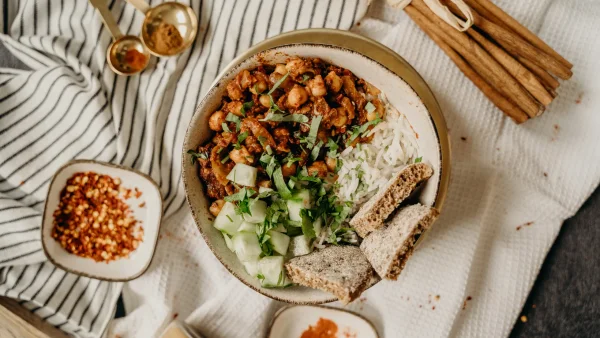
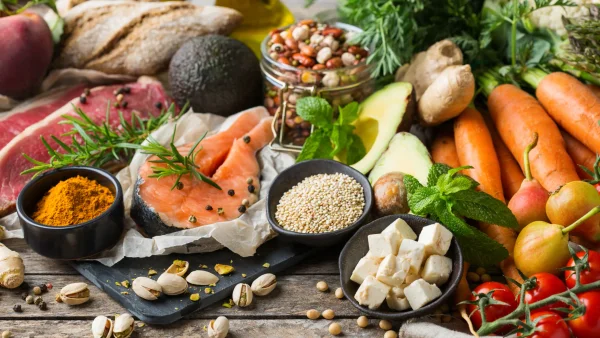
If you’re struggling with low iron levels, focus on foods that support your body’s natural ability to use and regulate iron:
-
Grass-fed liver
A rich source of bioavailable iron, copper, and vitamin A. Copper and vitamin A work together to help release stored iron and make it usable. -
Eggs
Provide heme iron and important cofactors like choline, which supports liver function and iron recycling. -
Leafy greens
Contain non-heme iron and magnesium, which supports enzymatic processes involved in iron metabolism. Pair with vitamin C for better absorption. -
Whole-food sources of vitamin C (oranges, bell peppers)
Help boost ceruloplasmin and bioavailable copper, improve non-heme iron absorption, and support immune and cellular health. -
Oysters
High in bioavailable zinc and copper, both essential for iron recycling and reducing oxidative stress. -
Bee pollen
A natural source of copper and trace minerals that help regulate iron metabolism. -
Dark chocolate (70% or higher)
Provides both copper and iron while offering antioxidant benefits.
These foods provide not just iron, but the nutrients your body needs to move iron to the right places, supporting efficient recycling and reducing the risk of overload.
A Note on Pregnancy and Iron
During pregnancy, iron needs increase to support your growing baby, but that doesn’t always mean an iron supplement is necessary.
If your doctor recommends iron, ask about supporting absorption naturally first. Eating iron-rich foods paired with vitamin C can help increase absorption without the risks associated with supplementation. Copper and vitamin A remain an important part of the picture.
I also recommend a prenatal without iron. FullWell is my favorite.
The Big Picture
Your body is designed to handle iron efficiently when it has the right tools. Instead of defaulting to supplementation, consider how you can support your body’s natural systems with the right foods and targeted nutrient support.
If you want to explore this further, this is exactly what I do with 1:1 clients. We run comprehensive labs to get a full picture of what’s really going on.
Additional Resources
Books
- The Root Cause Protocol by Morley Robbins
- Cure Your Fatigue by Morley Robbins
Websites
- The Root Cause Protocol: http://www.therootcauseprotocol.com
- Weston A. Price Foundation: http://www.westonaprice.org