5 Foods That Are Preventing You From Getting Pregnant
Five foods that could be preventing you from getting pregnant, and how to support your body for conception instead.
By Kylie Serie · Jan 8, 2025 · 2 min read
Okay, okay, so that’s a little dramatic. There isn’t one food that’s preventing you from getting pregnant.
However, there are certain food groups that can contribute to inflammation, hormone imbalances, and reduced fertility. This doesn’t mean you can never eat these foods (with the exception of trans fats), but rather that it’s helpful to prioritize more nutrient-dense alternatives.
1. Refined Sugars and Refined Carbohydrates
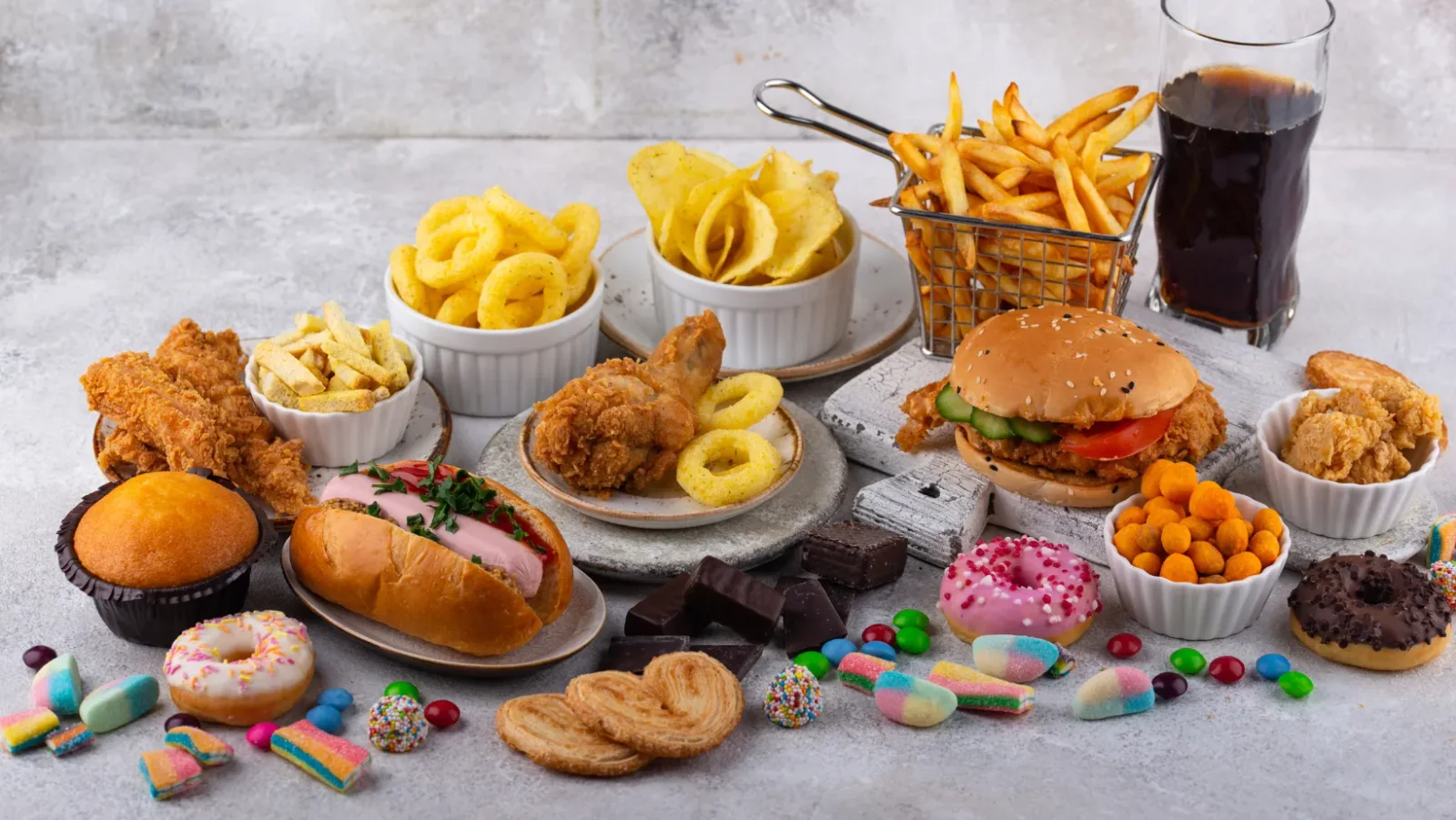
High-sugar foods and refined carbs can disrupt blood sugar and increase inflammation. Elevated insulin levels can interfere with ovulation and hormone balance, making conception more difficult.
What to do instead:
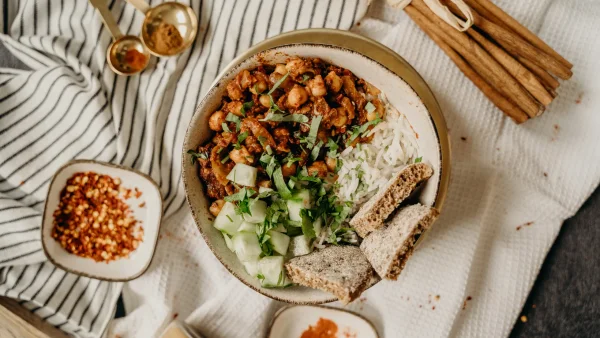
Choose whole-food carbohydrate sources such as fruits, starchy vegetables, and grains like rice, quinoa, oats, and sourdough. Pair carbohydrates with protein to help prevent blood sugar spikes.
2. Trans Fats
Found in fried foods, margarine, and many packaged baked goods, trans fats promote inflammation and disrupt hormone function. They’ve also been linked to insulin resistance and cardiovascular disease.
What to do instead:
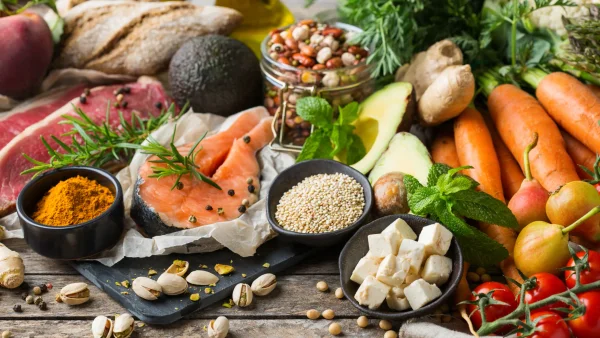
Opt for homemade treats when possible so you control the ingredients. Choose hormone-supportive fats like olive oil, avocado, coconut oil, and real grass-fed butter.
3. Excess Caffeine
A daily cup of coffee is unlikely to harm fertility, but excessive caffeine intake may lower fertility rates and increase miscarriage risk. Caffeine on an empty stomach is especially stressful on the body when fertility is the goal.
What to do instead:
Limit caffeine to one cup of coffee or tea per day. Swap additional cups for herbal tea or decaf. Always consume caffeine with or after food. Adding collagen and milk can help support blood sugar and protein intake.
4. Alcohol
Alcohol disrupts hormone levels, particularly estrogen and progesterone, which are essential for ovulation and pregnancy.
What to do instead:
Reduce or eliminate alcohol, especially when actively trying to conceive. Hydrate with water, herbal teas, or sparkling water with fruit, or get creative with mocktails.
5. Low-Fat Dairy
Low-fat dairy is often marketed as “healthier,” but it may not be ideal for fertility. For those with light periods or irregular cycles, full-fat dairy is often more supportive.
What to do instead:
Choose full-fat dairy, which provides the fats needed for hormone production. Full-fat yogurt and whole milk are great options. If available, Kalona milk is a top choice.
The Big Picture
Small dietary changes can have a significant impact on fertility. Focusing on whole, nutrient-dense foods that support blood sugar balance and hormone production is one of the most effective first steps.
If you’re not sure where to start, I offer free consultations to review your health history and see if my 1:1 program is a good fit. Clients often see major improvements in hormones and fertility within 3–4 months.