How Quitting Veganism Helped Me Get Pregnant
How adding animal products back into my diet improved my hormones and fertility, and why vegan diets may lack key nutrients for preconception.
By Kylie Serie · Jan 8, 2025 · 4 min read
If you had asked me to talk about how quitting veganism helped me heal my hormones and get pregnant even a year ago, I probably wouldn’t have been comfortable doing so.
Why?
Because for the longest time, I never wanted to ruffle any feathers. I didn’t want to upset anyone. In short, I was a chronic people pleaser who hated confrontation. And if you know anything about the vegan community, especially online, they can be ruthless.
But motherhood has taught me many things and truly forced me to face some of my deepest insecurities. Along the way, I’ve gained the confidence to talk about topics that not everyone might agree with.
So, let’s dig in.
A Quick Backstory
My husband and I were vegan for four years. That meant we ate nothing that came from an animal, no meat, cheese, yogurt, milk, honey, fish, eggs, etc. We even fed our dogs vegan dog food. I didn’t buy anything made of leather, and I even started a vegan food blog. I was passionate about this lifestyle and thought I’d eventually open a private practice as a vegan dietitian.
Then, during my last year of grad school, I started experiencing major hormone-related symptoms:
- Heavy and painful periods
- Adult acne
- Severe fatigue
- Hair loss
- Difficulty concentrating
I finally decided to work with a functional dietitian and completed an HTMA (Hair Tissue Mineral Analysis). That test opened my eyes to a whole new world. Based on my lab work, the dietitian suggested incorporating some animal products into my diet.
I wouldn’t have even considered it had I not felt like I was losing myself because of my symptoms. I was desperate for relief and willing to try something different. Deep down, my intuition had been nudging me toward this change, but I had resisted for over a year at this point.
Fast forward to a year later: I had officially added animal products back into my diet, worked to heal and balance my hormones, and was feeling so much better. I truly view that year as my pregnancy prep phase and know it contributed to conceiving quickly and having a healthy pregnancy.
Why a Vegan Diet Isn’t the Most Supportive for Preconception, Fertility, and Pregnancy
While vegan diets can work for some, they do lack critical nutrients necessary for fertility, conception, and pregnancy.
Here’s why:
Low in Bioavailable Protein
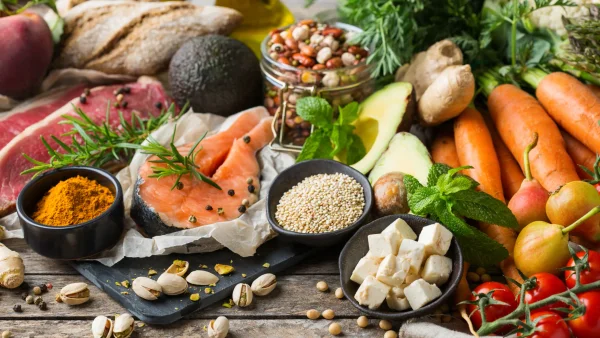
Animal proteins provide all essential amino acids in forms that are easily absorbed and utilized by the body. Plant proteins often lack one or more essential amino acids, making it harder to meet the higher protein needs during preconception and pregnancy.
Absorption differences:
- Animal protein absorption: 90–100%
- Plant protein absorption: ~70–90% due to fiber, anti-nutrients (like phytates), and incomplete amino acid profiles
Low in Choline
Choline is crucial for fetal brain development and preventing neural tube defects. The richest sources are eggs (especially yolks) and liver, both absent from vegan diets.
Low in Retinol (Active Vitamin A)
Vitamin A is essential for reproductive health and fetal development. While beta-carotene from plants can convert to vitamin A, the conversion rate is inefficient and highly individual. Retinol, the active form, is found in animal products like liver, eggs, and dairy.
Deficient in Vitamin B12
B12 is critical for red blood cell formation, neurological function, and DNA synthesis. Since it’s found exclusively in animal products, vegans must rely on supplementation, which may not always maintain optimal levels.
Low in DHA and EPA (Omega-3 Fatty Acids)
These long-chain omega-3s are vital for brain and eye development in a growing baby. While plant foods provide ALA (a precursor), conversion to DHA/EPA is highly inefficient. Fatty fish, fish oil, or algae-based DHA are far superior sources.
Lower Bioavailability of Key Minerals
Iron, zinc, and calcium are harder to absorb from plant sources due to anti-nutrients like phytates. Animal products provide these minerals in more bioavailable forms.
High in Anti-Nutrients
Many plant-based foods contain compounds (such as oxalates and lectins) that can interfere with nutrient absorption, potentially leading to deficiencies over time.
Potential for Hormonal Imbalances
Vegan diets are often higher in carbohydrates and soy-based foods, which can disrupt hormonal balance for some individuals, particularly those with estrogen-dominant conditions.
I’m certainly not trying to hate on a vegan diet. I’m simply speaking from my personal experience and from working with many women who were vegan or vegetarian at some point in their lives.
For me, transitioning away from veganism was the key to healing my hormones, optimizing my health, and preparing my body for pregnancy.
If you’re experiencing similar struggles, I encourage you to listen to your body and seek support. If you’re looking for 1:1 guidance, I’d love to help.